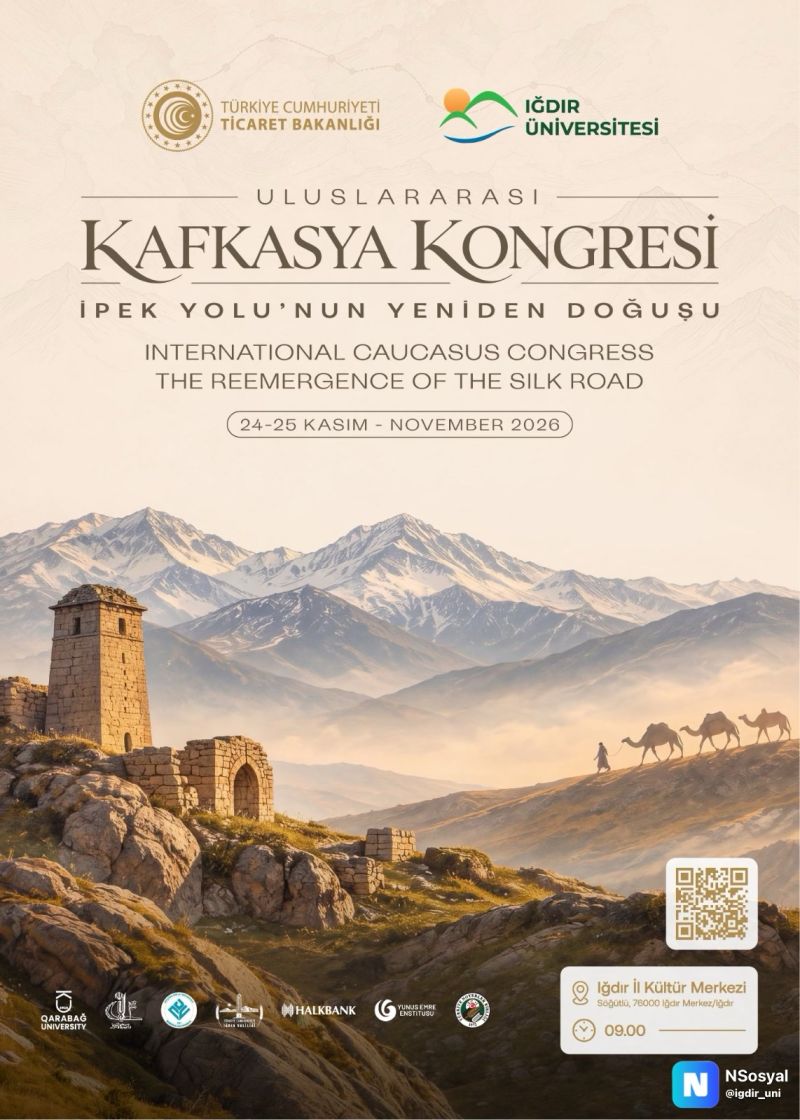
Uluslararası Kafkasya Kongresi Iğdır’da Gerçekleştirildi
Hosted by Iğdır University in partnership with the Ministry of Trade, the International Caucasus Congress took place on November 24–25, 2026, at the Iğdır Provincial Culture Center. Organized under the theme "The Rebirth of the Silk Road," the congress brought together over 30 scholars, diplomats, public officials, and media representatives from Turkey and various other countries. Throughout the two-day program, discussions focused on the future of the Caucasus, international transport corridors, and opportunities for regional cooperation.
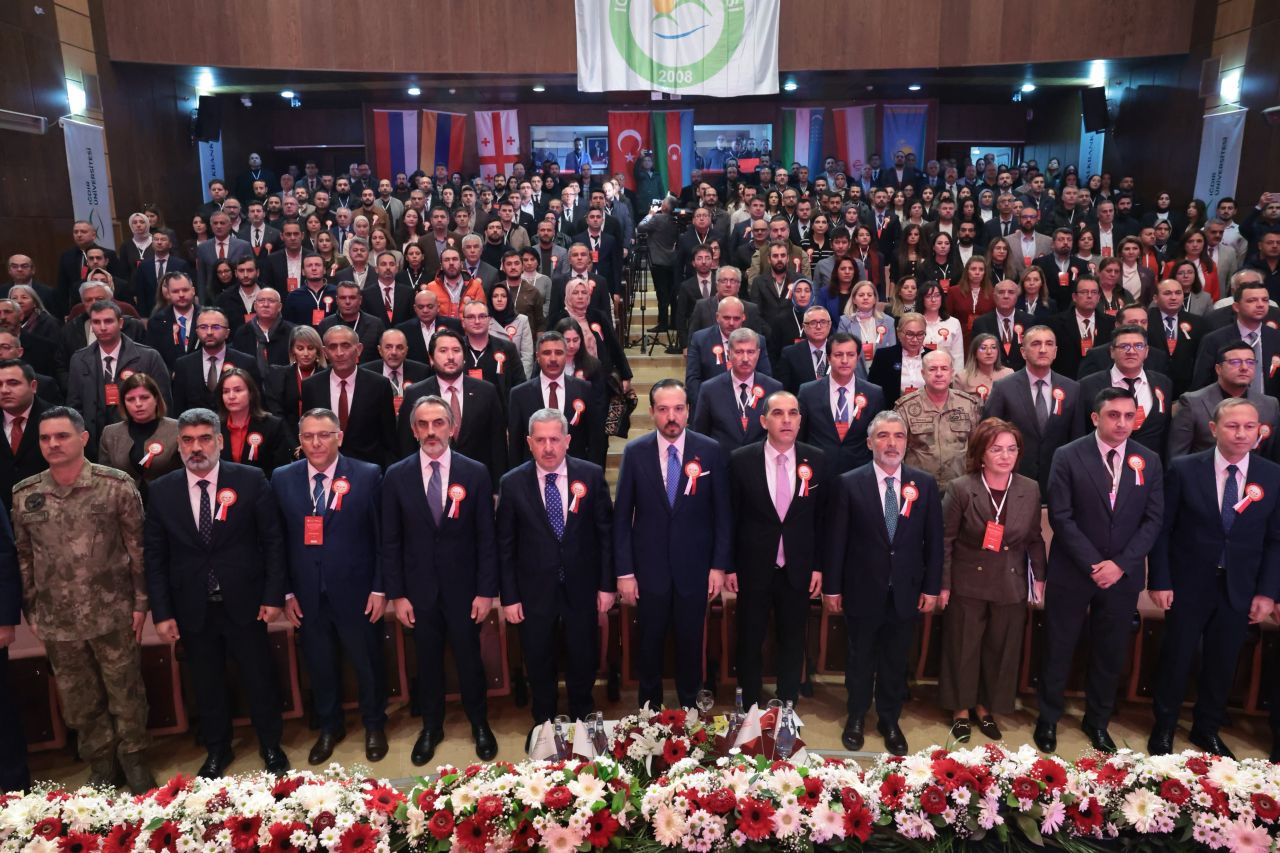
Broad protocol participation at the opening ceremony
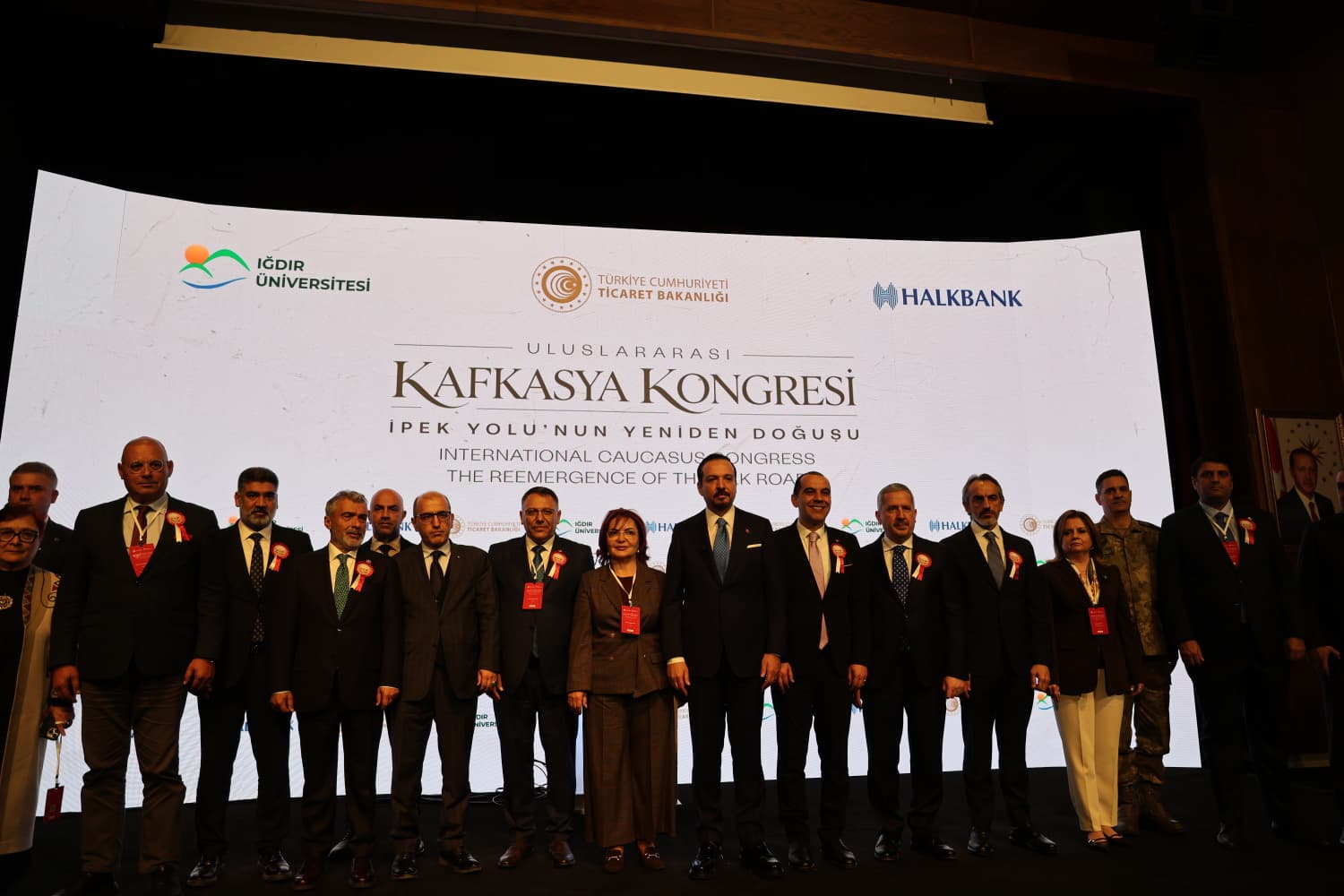
The opening ceremony, hosted by Congress Chair and Iğdır University Rector Prof. Dr. Ekrem Gürel, was attended by AK Party Deputy Chairman and Head of Relations with Turkic States Prof. Dr. Kürşad Zorlu, Deputy Minister of Trade Mahmut Gürcan, Iğdır Governor M. Fırat Taşolar, Iğdır Member of Parliament Cantürk Alagöz, Garrison Commander Brigadier General Özkan Şenol, and the Consul General of Azerbaijan in Kars, Goşgar Zeynalov. The event also brought together university rectors and numerous academics from Turkey and countries in the region.
Following a performance of Caucasian folk dances, messages sent to the congress by President Recep Tayyip Erdoğan and President of Azerbaijan Ilham Aliyev were read out. The messages underscored the strategic importance of the Caucasus and the significance of Turkey–Azerbaijan relations. In his opening address, Rector Prof. Dr. Ekrem Gürel highlighted the importance of conducting initiatives concerning the future of the region through the joint contributions of the countries in the region and the scientific community.
The future of the Caucasus was discussed in six sessions
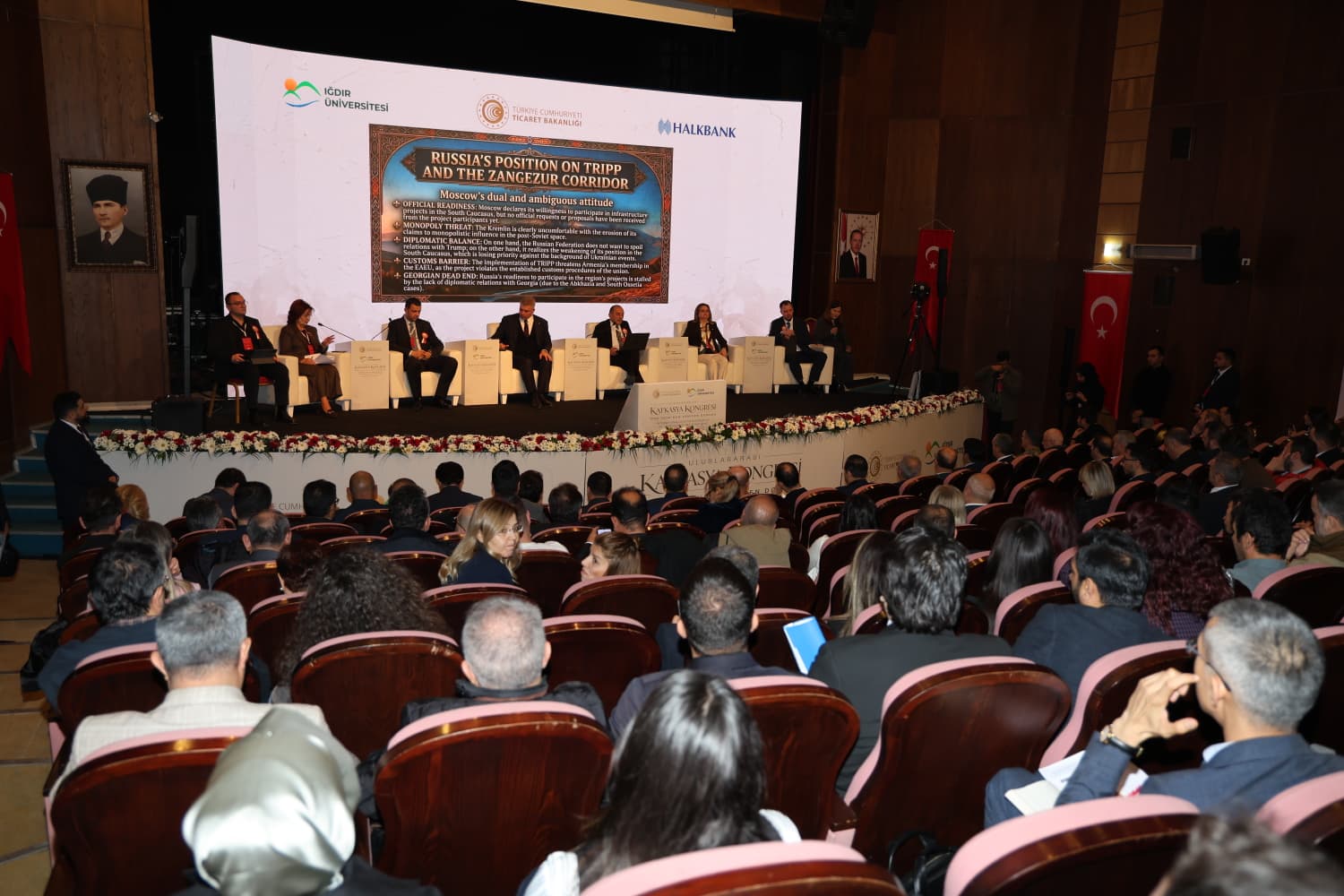
On the first day of the congress, sessions titled “Caucasus Diplomacy” and “Science and Academia in the Caucasus” were held. During the session on science and academia—moderated by Prof. Dr. Ekrem Gürel—the possibilities for scientific cooperation among universities in the region were discussed. The second day covered topics such as public diplomacy, regional security and trade, media, and strategic communication. The final session of the program, “An International Perspective on the Caucasus,” featured academics and experts from Kazakhstan, Uzbekistan, and Armenia as speakers.
The revival of the Silk Road and the strategic location of Iğdır
The historic Silk Road—which, for centuries, served as a foundation for trade and cultural exchange between Asia and Europe—was examined at the congress within the context of contemporary transport networks and economic relations. Key topics included the development of the Middle Corridor, the potential impact of the Zangezur Corridor on regional trade, and the position of Iğdır within international transport networks. For Iğdır, which shares borders with three countries, this agenda opened a discussion on the opportunities that cross-border transport links might offer in terms of the province’s trade and logistics potential.
In the concluding assessment, the importance of mutual trust, regional dialogue, and peace in transforming transport and trade links into lasting cooperation was emphasized. It was noted that universities could contribute to this process through joint research and initiatives that bring young people together.